
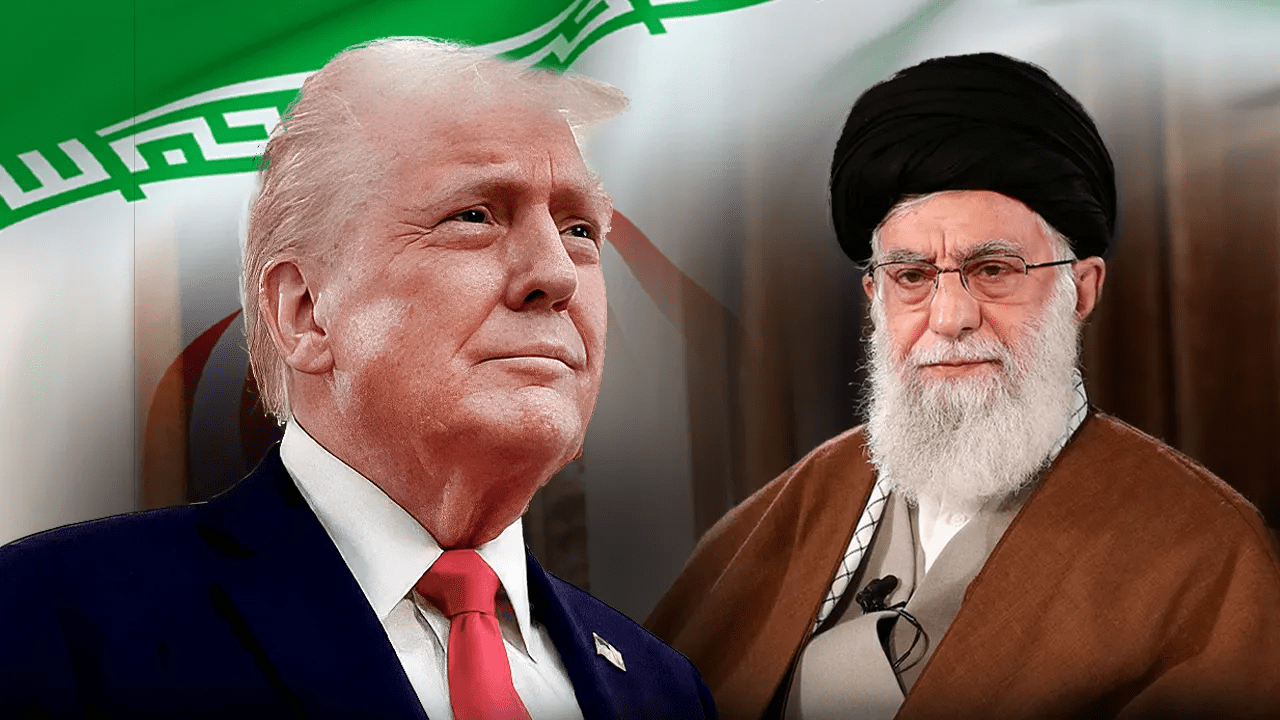
Iran is open to negotiations with the United States, but only without threats and on equal terms. That is the clear position emerging after former US President Donald Trump said Iran “does want to make a deal” to avoid American military action. Tehran responded that talks cannot take place under pressure, especially if its defensive and missile capabilities are placed on the table. In simple terms, diplomacy is possible — but only if both sides change their tone.
The latest exchange adds another chapter to the long-running US-Iran tensions, where public statements often carry as much weight as formal agreements. The question now is whether this moment leads to serious US Iran negotiations or another cycle of escalation.
Trump on Iran deal talks: What Was Said at the White House
Speaking to reporters at the White House, Donald Trump stated that Iran was ready to negotiate to avoid military action. He said, “They do want to make a deal,” and confirmed that he had set a deadline for Iran to enter talks. However, he did not disclose the timeline.
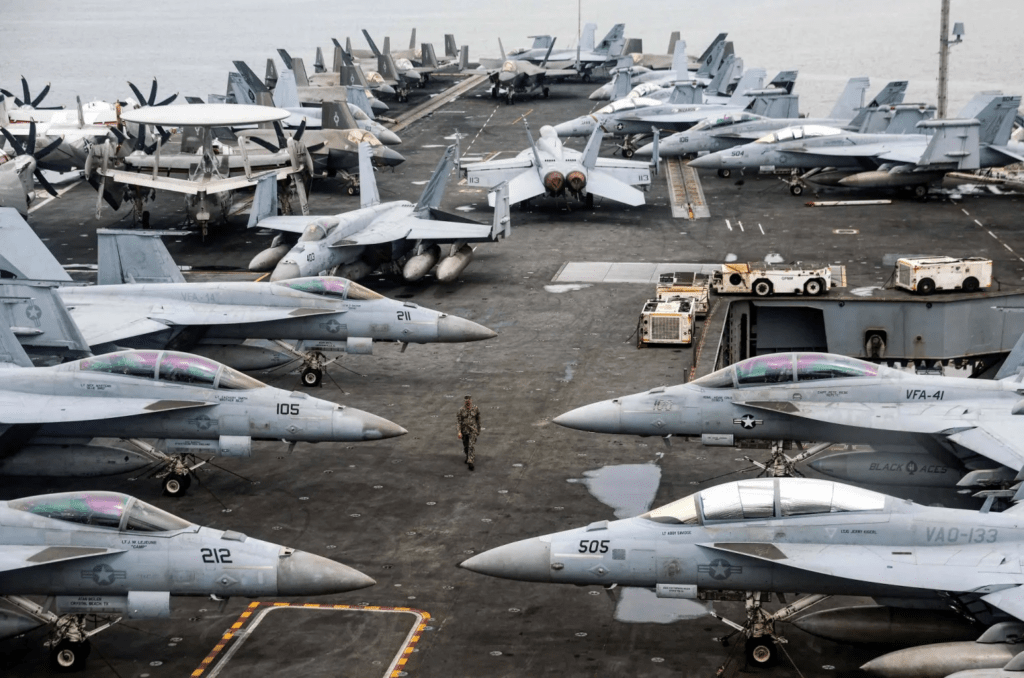
More significantly, Trump linked diplomacy with pressure. He referred to the deployment of a US naval carrier group near Iran and said, “If we don’t make a deal, we’ll see what happens.” The message was clear: negotiation remains an option, but military leverage is being used as a backdrop.
In Washington’s view, limits on Iran’s nuclear programme and missile capabilities remain central demands. This approach reflects earlier US policy that combined sanctions with military signalling.
Iran response to Trump: Equal footing and red lines
Tehran’s response was firm but measured. Foreign Minister Abbas Araghchi stated that Iran is ready to begin negotiations if they take place “on an equal footing, based on mutual interests and mutual respect.”
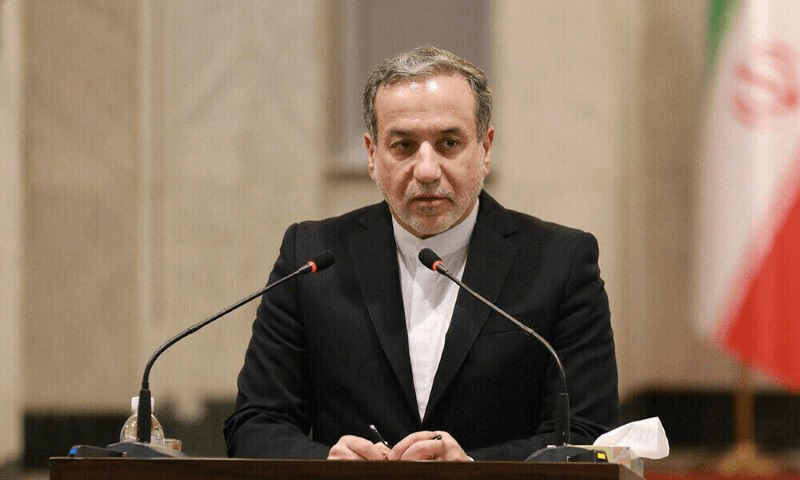
However, he also drew a red line. Iran’s defensive and missile capabilities, he said, “will never be subject to negotiation.” He further clarified that there were no current plans to meet US officials about resuming talks.
In Hindi terms, Iran ka sandesh saaf hai — baatcheet tabhi hogi jab izzat aur barabari ho. Talks cannot happen under the shadow of threats. This reflects a consistent Iranian position that sovereignty and defence policy are non-negotiable.
US military pressure and the carrier group near Iran
The deployment of a US naval carrier group near Iranian waters has symbolic and strategic meaning. Carrier groups are floating military bases. They project air power, surveillance, and rapid strike capability.
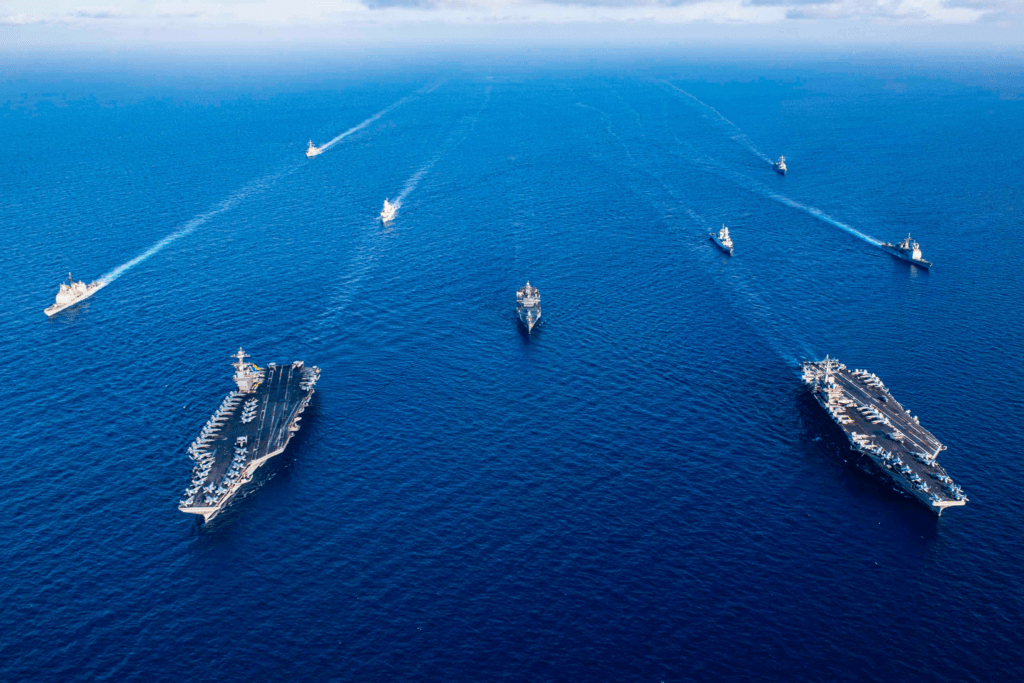
For Washington, such deployment strengthens its bargaining position. For Tehran, it reinforces the argument that negotiations are being pushed through pressure.
Historically, military build-ups in the Gulf have increased tensions rather than reduced them. Even when no direct conflict follows, the perception of imminent action shapes diplomatic behaviour on both sides.
Nuclear programme and missile capabilities: Core dispute
At the heart of the issue lies Iran’s nuclear programme. The United States seeks strict limitations to prevent weaponisation. Iran insists its programme is peaceful and within its sovereign rights.
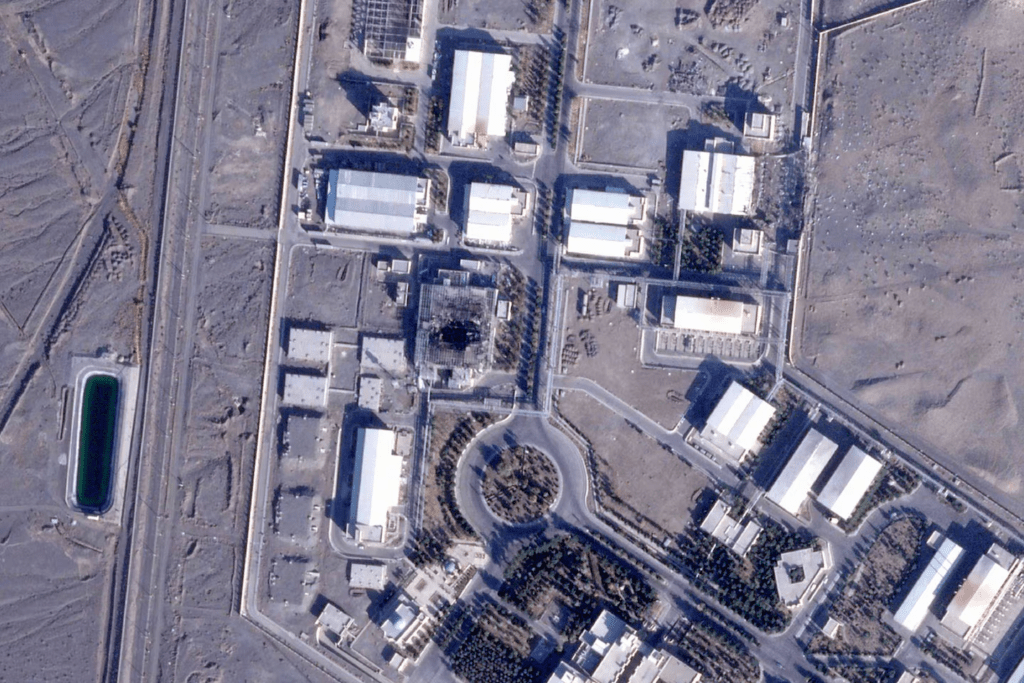
Missile capabilities add another layer. While the US views ballistic missiles as destabilising, Iran considers them essential for deterrence.
The gap is not only technical but political. One side demands restrictions; the other demands recognition of defensive rights.
Below is a simplified comparison of positions:
Table: Key Positions in US Iran Negotiations
| Issue | US Position | Iran Position |
| Nuclear Programme | Limit enrichment and oversight expansion | Peaceful use; no excessive external control |
| Missile Capabilities | Restrict development and range | Non-negotiable defensive requirement |
| Military Pressure | Used as leverage | Seen as unacceptable coercion |
| Negotiation Conditions | Deadline-driven talks | Equal footing and mutual respect |
This table shows why progress is complex. The disagreement is structural, not tactical.
Risk of military action: Real or rhetorical?
Trump has repeatedly warned of military action if Iran does not meet US demands. Iran has said it would retaliate against any US strike.
In strategic terms, both sides understand the cost of escalation. Direct conflict would destabilise the region, affect global energy markets, and risk wider confrontation.
However, rhetoric can sometimes create momentum of its own. When deadlines are announced publicly, political space narrows. Leaders must either deliver an agreement or justify tougher measures.
Experts often note that public signalling is part of negotiation strategy. Strong language may aim to secure concessions without actual conflict. Still, miscalculation remains a risk.
Role of Turkey mediation in US Iran tensions
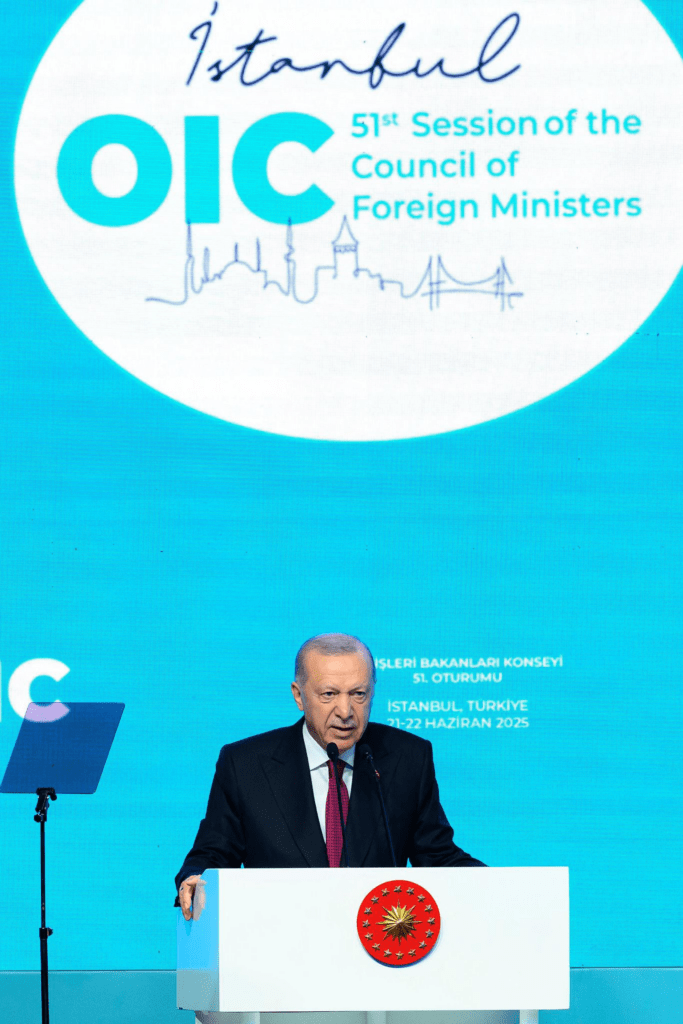
Turkey has offered to mediate between the two sides. Ankara maintains working relations with both Washington and Tehran, making it a possible bridge.
Mediation could provide:
- A neutral platform for indirect dialogue
- A face-saving mechanism for both governments
- A gradual confidence-building process
Turkey’s involvement would not guarantee success, but it could lower immediate tensions. In regional diplomacy, even small openings matter.
What equal footing means in practice
Iran’s insistence on “equal footing” is not just rhetoric. It implies:
- No public ultimatums
- No military build-up during talks
- Recognition of Iran’s security concerns
From Tehran’s perspective, negotiation under threat undermines legitimacy. From Washington’s perspective, leverage ensures seriousness.
This difference in philosophy is often where negotiations stall. Trust is limited. Each side doubts the other’s long-term intent.
Strategic calculations on both sides
For the United States, a new agreement would demonstrate diplomatic strength and reduce regional instability. It would also address domestic political debates around security.
For Iran, entering talks without visible concessions from the US could be politically sensitive. Hardline factions may view compromise as weakness.
In both countries, internal politics shape external policy. Public statements are often aimed at domestic audiences as much as foreign governments.
Can US Iran negotiations restart soon?
At this stage, there is no confirmed schedule for renewed talks. Iran has clearly stated that no meeting with US officials is planned yet.
However, diplomatic channels rarely close entirely. Back-channel communication often continues even when public rhetoric escalates.
The next steps depend on three factors:
- Whether the US softens its deadline approach
- Whether Iran signals flexibility on nuclear oversight
- Whether third-party mediation gains traction
If these align, talks could resume. If not, tensions may continue at a controlled but uneasy level.
Pressure versus respect in diplomacy
The current moment in US Iran tensions highlights a basic truth of international relations: pressure can open doors, but respect keeps them open.
Donald Trump’s statement that Iran wants a deal suggests opportunity. Iran’s response shows conditions. The gap is not impossible to bridge, but it requires careful language and measured steps.
For observers, the situation remains fluid. Negotiations are possible, yet fragile. In diplomacy, tone often determines outcome. Whether this episode becomes a breakthrough or another missed chance depends on how both sides balance power with pragmatism.