
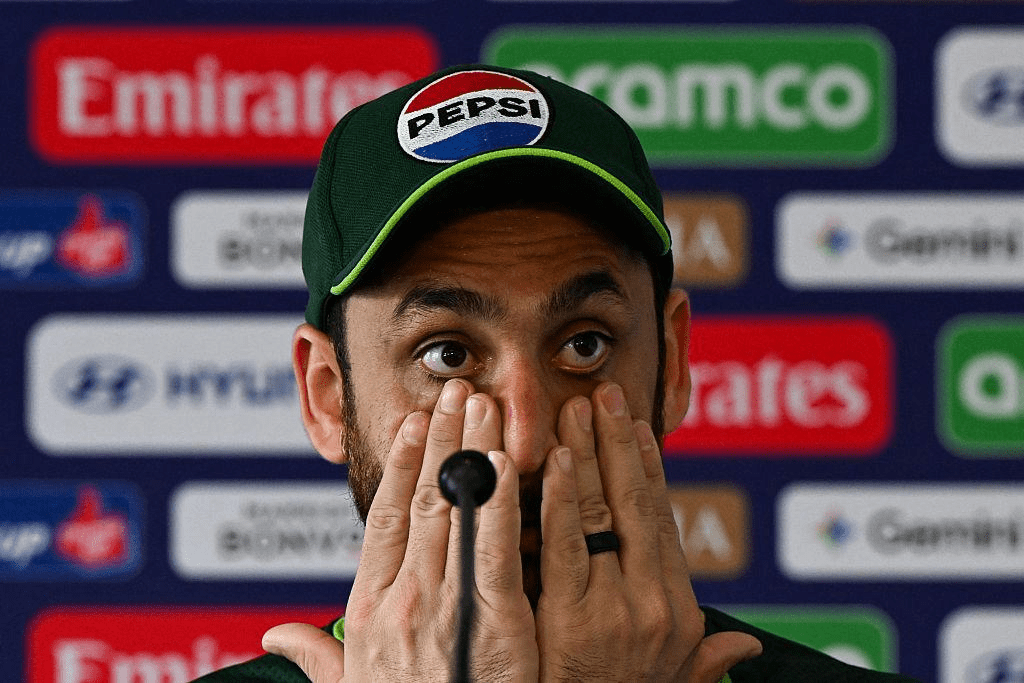
The much-anticipated India vs Pakistan group-stage clash at the ICC Men’s T20 World Cup 2026, scheduled for February 15 in Colombo, is now in serious doubt after Pakistan’s government confirmed that while the team will participate in the tournament, it will not take the field against India. The decision has triggered a strong response from the International Cricket Council (ICC), which has warned of serious consequences. For fans asking whether the india vs pak fixture will take place, the current answer is uncertain — and the implications could extend beyond a single match.
This development marks an unprecedented moment in india-pakistan cricket history, where selective participation in a global ICC event has raised concerns about fairness, revenue, and competitive balance.
Pakistan’s Decision on India vs Pakistan Match
On February 1, Pakistan’s government formally approved the national team’s participation in the T20 World Cup 2026. However, it simultaneously declared that the team “shall not take the field” in the match against India on February 15.
The announcement followed the ICC’s decision to remove Bangladesh from the tournament after Dhaka refused to play matches in India, citing security concerns. Notably, during an ICC vote, Pakistan and Bangladesh supported a venue change request, while 14 other member nations rejected it.
Although prior agreements between the ICC, BCCI, and PCB had ensured that all india vs. pakistan fixtures would be held at neutral venues, the Pakistani government did not provide a detailed explanation for its decision to skip the February 15 match.
In diplomatic terms, yeh faisla sirf ek cricket match ka nahi hai — it carries broader implications.
ICC’s Warning Over Selective Participation

The ICC responded swiftly, expressing serious concern over the possibility of a team choosing to skip a scheduled match in a global tournament.
The governing body acknowledged that governments have authority over foreign policy decisions. However, it stressed that directing a national side to boycott a match contradicts the basic framework of international sport.
According to ICC guidelines:
- All teams must compete under uniform conditions.
- Match schedules are binding once agreed.
- Selective participation undermines competitive integrity.
The ICC also warned that such actions weaken the credibility of the tournament and could disrupt the broader cricket ecosystem.
Impact on India-Pakistan Cricket Match Integrity
The india-pakistan cricket match is widely regarded as the most commercially valuable fixture in world cricket. Since 2012, the ICC has consistently placed India and Pakistan in the same group at major events to ensure at least one high-profile encounter.
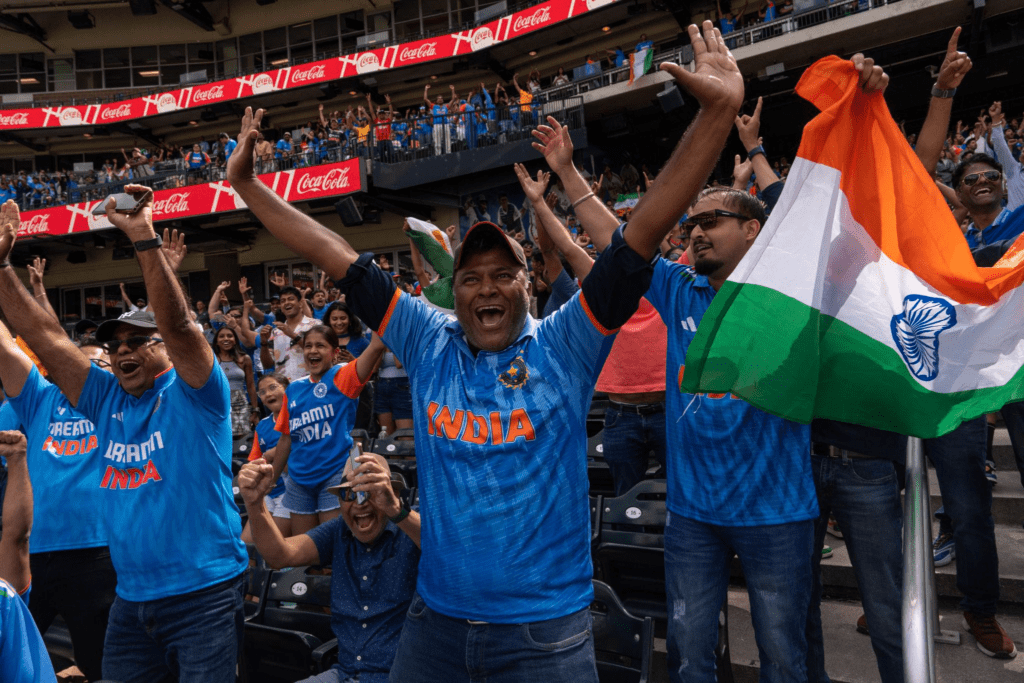
If Pakistan maintains its boycott stance, the T20 World Cup 2026 would become the first men’s ICC tournament since 2010 without an India vs Pakistan contest.
This would affect:
- Broadcasting revenues
- Sponsorship deals
- Ticket sales
- Global viewership
The absence of an asia cup india vs pakistan cricket match or World Cup clash often reshapes financial projections for organizers.
Consequences Under ICC Playing Conditions
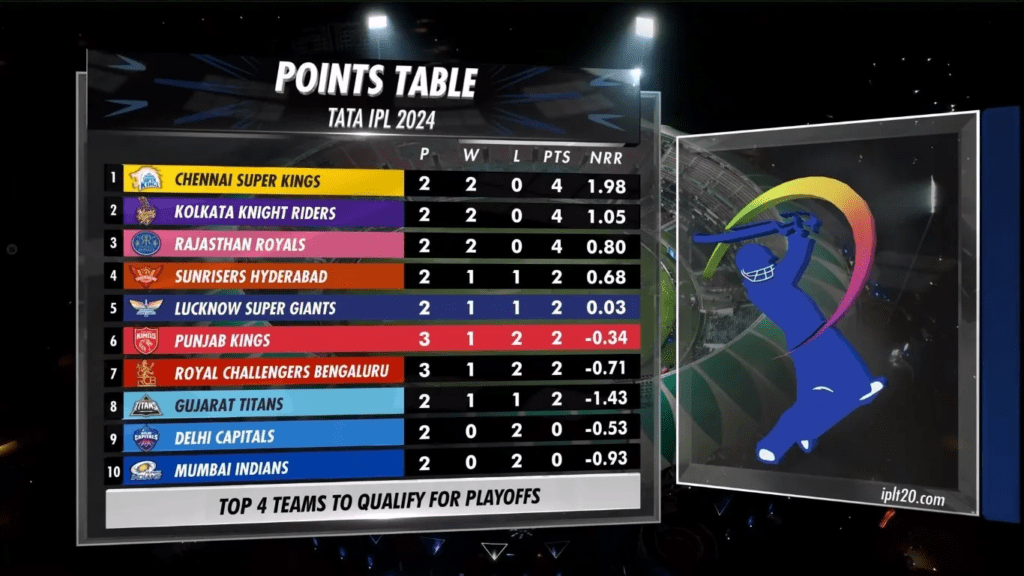
The ICC’s Playing Conditions outline clear outcomes if a team fails to take the field.
If Pakistan forfeits:
- The match will be treated as a completed 20-over innings.
- Overs will count toward Net Run Rate calculations.
- Pakistan’s Net Run Rate could suffer significantly.
A lower Net Run Rate may directly impact group-stage qualification prospects.
Table: Possible Impact of Forfeiting India vs Pakistan Match
| Factor | Impact on Pakistan |
| Net Run Rate | Significant negative adjustment |
| Group Standing | Reduced qualification chances |
| ICC Revenue Share | Potential withholding of funds |
| Reputation | Credibility concerns in global cricket |
Reports indicate that Pakistan’s share of ICC annual revenue, estimated at around $34.5 million, could face withholding if the boycott proceeds.
India’s Position on the India vs Pak Fixture
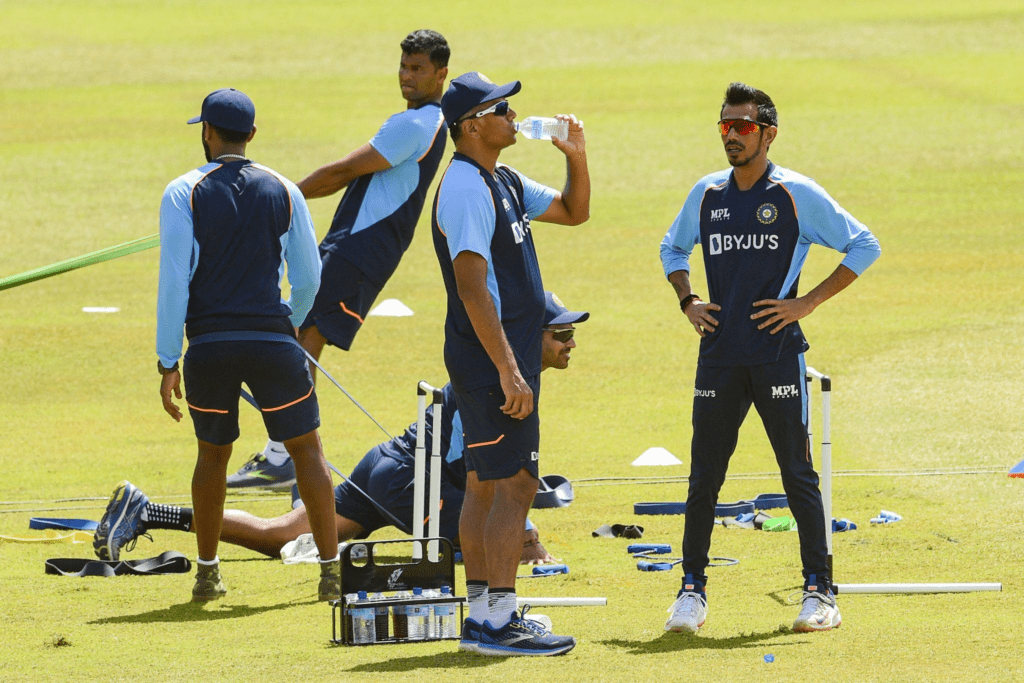
The Board of Control for Cricket in India (BCCI) has not yet issued an official statement. However, sources suggest that India will follow ICC protocol strictly.
The Indian team is expected to:
- Travel to Sri Lanka as scheduled.
- Conduct training sessions.
- Attend mandatory press conferences.
- Arrive at R Premadasa Stadium on match day.
If Pakistan does not appear, the match referee will formally call off the fixture.
In other words, India will adhere to established tournament procedures without deviation.
Background: Escalating India vs Pakistan Tensions
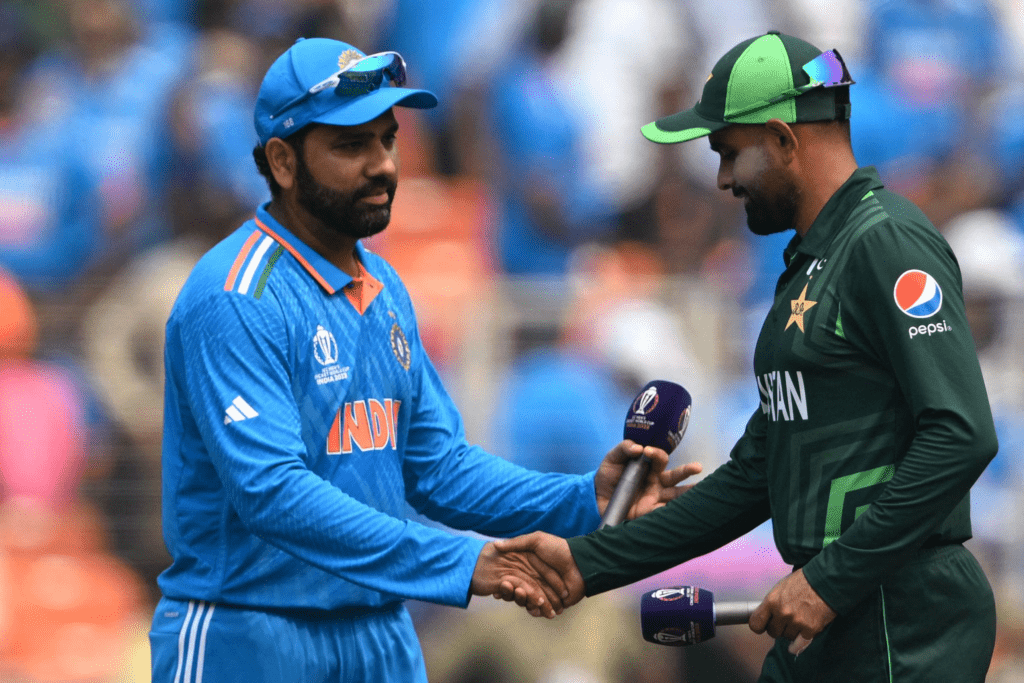
Relations between the PCB and BCCI have been strained for years. Bilateral cricket between India and Pakistan has been suspended for over 14 years due to diplomatic tensions.
Recent developments intensified the standoff:
- India declined to travel to Pakistan for the ICC Champions Trophy 2025.
- During the Asia Cup 2025, tensions flared after a terror attack in Pahalgam.
- Bangladesh’s refusal to travel to India further complicated matters.
Pakistan reportedly attempted to leverage its participation decision by delaying confirmation of travel plans until February 1.
These cumulative events have shaped the current impasse around the india-pakistan cricket match.
Financial Stakes in India-Pakistan Cricket
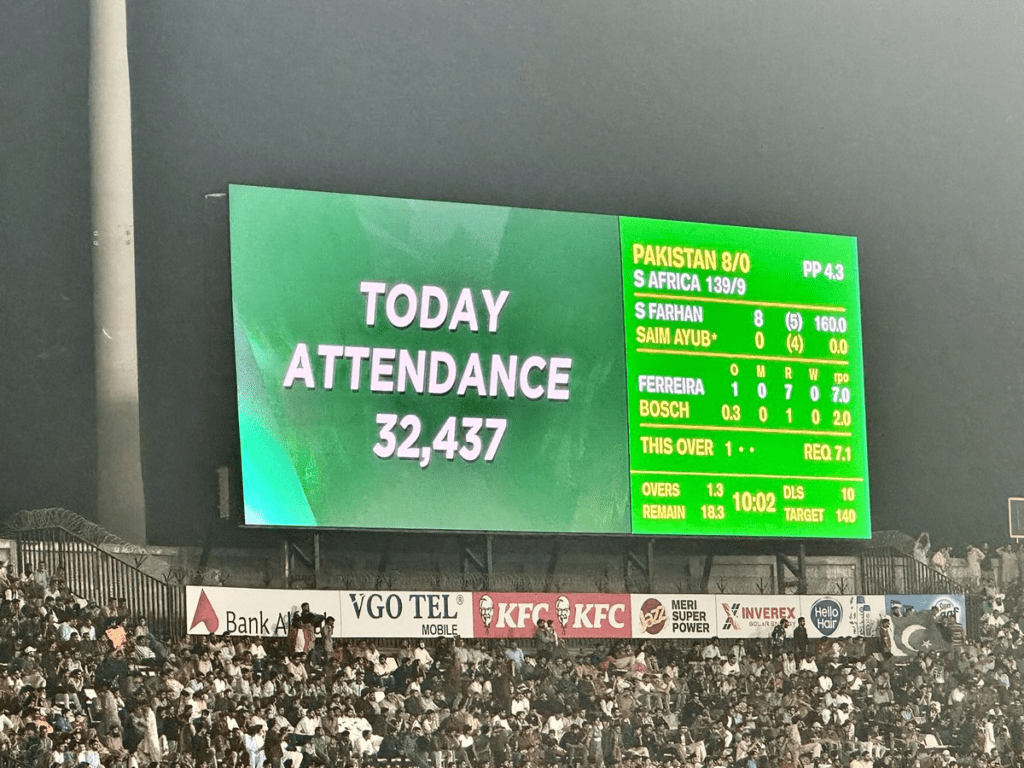
The financial weight of india vs pakistan encounters cannot be overstated.
A single ICC India vs Pakistan match typically generates:
- Record-breaking TV ratings.
- Peak digital streaming numbers.
- Premium advertising slots.
- Increased sponsor visibility.
The absence of this fixture could significantly impact tournament revenue distribution.
Industry analysts suggest that the ICC structured group stages deliberately to protect this marquee contest.
Broader Implications for Global Cricket
Selective participation by any major cricketing nation raises concerns about precedent.
If one team can skip a match due to political direction, others may attempt similar actions in future disputes.
This could affect:
- Tournament scheduling.
- Sponsorship commitments.
- Fan trust.
- Long-term stability of ICC events.
The ICC has urged the PCB to assess the broader and long-term consequences of its move.
Will ICC Take Action?
While the ICC has not announced immediate disciplinary measures, officials have indicated that failure to honor match commitments could trigger financial penalties or revenue withholding.
Cricket governance relies heavily on cooperation between boards. Disruptions in one tournament can ripple across future hosting agreements and commercial arrangements.
What Happens Next in India vs Pakistan Standoff?
At present:
- Pakistan’s government has confirmed participation but not the India fixture.
- ICC awaits formal communication from PCB.
- India plans to proceed as per schedule.
The coming weeks will likely involve negotiations behind closed doors.
Given the magnitude of the india vs pak rivalry, both sporting and financial stakeholders will seek a resolution.
A Critical Moment for India-Pakistan Cricket
The uncertainty surrounding the india vs pakistan T20 World Cup 2026 match reflects deeper geopolitical tensions spilling into sport. While Pakistan has confirmed tournament participation, its refusal to play India has drawn strong ICC warnings.
The stakes extend beyond one match. Financial impact, competitive fairness, and global cricket credibility are all at risk.
For now, the world waits to see whether dialogue will prevail. Cricket has historically served as a bridge in strained times. Whether this opportunity is preserved will determine the future course of india-pakistan cricket relations.