

The 8th pay commission is expected to revise salaries of central government employees with effect from January 1, 2026. However, with no formal rollout yet and January 2026 nearly over, employees are asking two clear questions: will they receive arrears, and when will the revised salaries actually be credited? Based on past trends and current 8th pay commission latest news, if implementation is delayed, arrears are likely to be paid from the effective date once the 8th pay commission implementation is approved.
In simple terms, agar salary badhne mein delay hua, toh arrears milne ki sambhavana kaafi zyada hai.
8th Pay Commission Date and Expected Timeline
On paper, the 8th pay commission date for salary revision is January 1, 2026. This marks the end of the 7th Pay Commission cycle, which began in 2016.
However, the effective date and the actual 8th pay commission implementation date are often different. The process includes:
- Formation of the commission
- Submission of recommendations
- Cabinet approval
- Notification and rollout
Reports suggest that the formation of the 8th pay commission india panel may already be behind schedule. If that happens, salary credits may shift to FY 2026–27.
The key takeaway from 8 pay commission latest news is that while the effective date is fixed, implementation depends on administrative approvals.
Will 8th Pay Commission Government Employees Get Arrears?
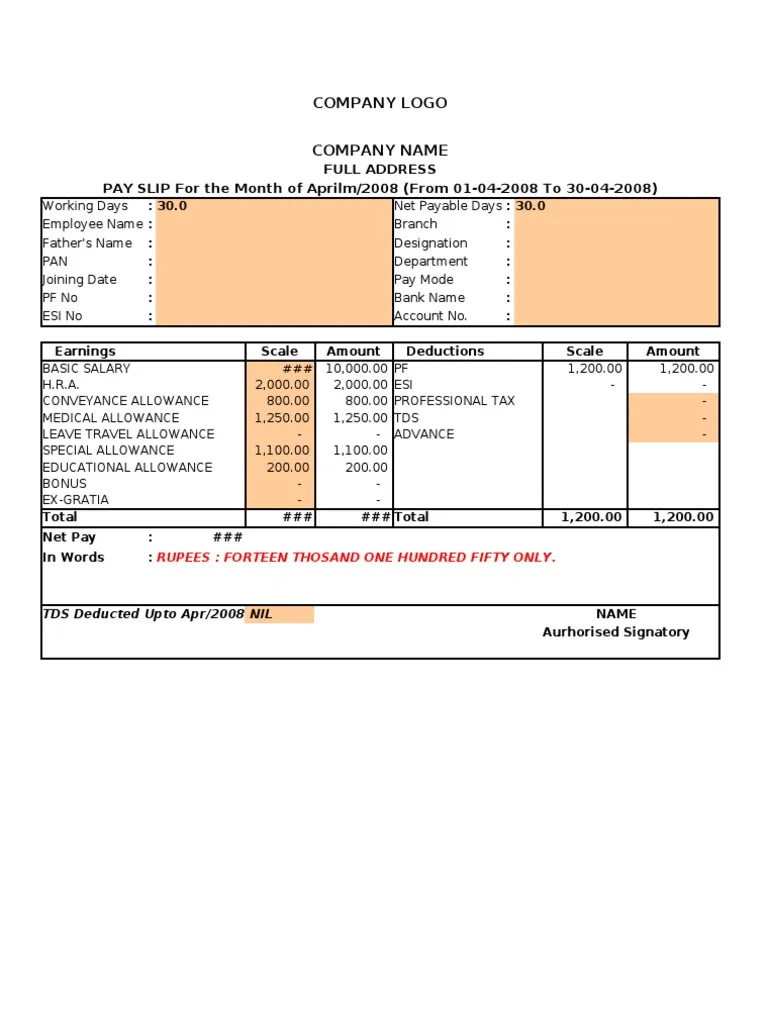
The short answer, based on precedent, is yes.
If the 8th pay commission implementation happens after January 2026, arrears are expected to be calculated from January 1, 2026.
CA Manish Mishra of GenZCFO explains that arrears are usually computed from the notified effective date, even if payments begin later. This means employees may receive a lump sum amount covering the delay period.
For example:
- If implementation occurs in October 2026,
- Employees may receive arrears for January to September 2026.
This is consistent with how the 7th Pay Commission handled delayed payouts.
Why Delays in 8th Pay Commission 2026 Are Likely
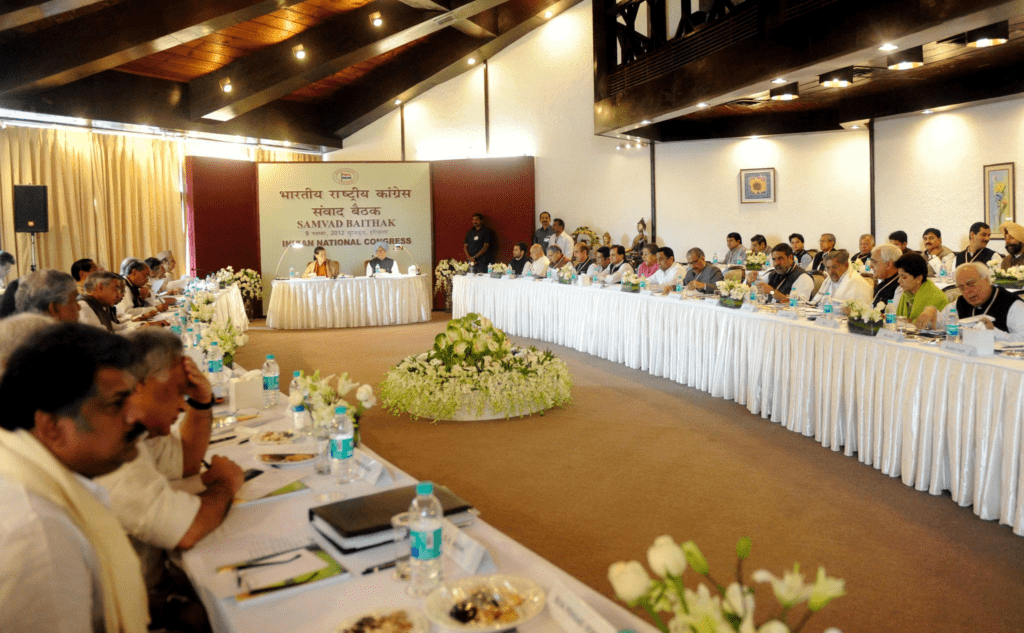
Past experience suggests that delays are common in every pay commission cycle.
Pratik Vaidya, Managing Director at Karma Management Global Consulting Solutions, notes that while the 8th pay commission 2026 is expected to be effective from January 1, actual salary credit may only begin after Cabinet clearance.
A similar pattern occurred during the 7th Pay Commission:
- Effective date: January 2016
- Cabinet approval: June 2016
- Arrears paid across 2016–17
This precedent shapes expectations for 8 pay commission news today.
In practical terms, employees should prepare for some lag between announcement and disbursement.
8th Pay Commission Fitment Factor: The Key Multiplier
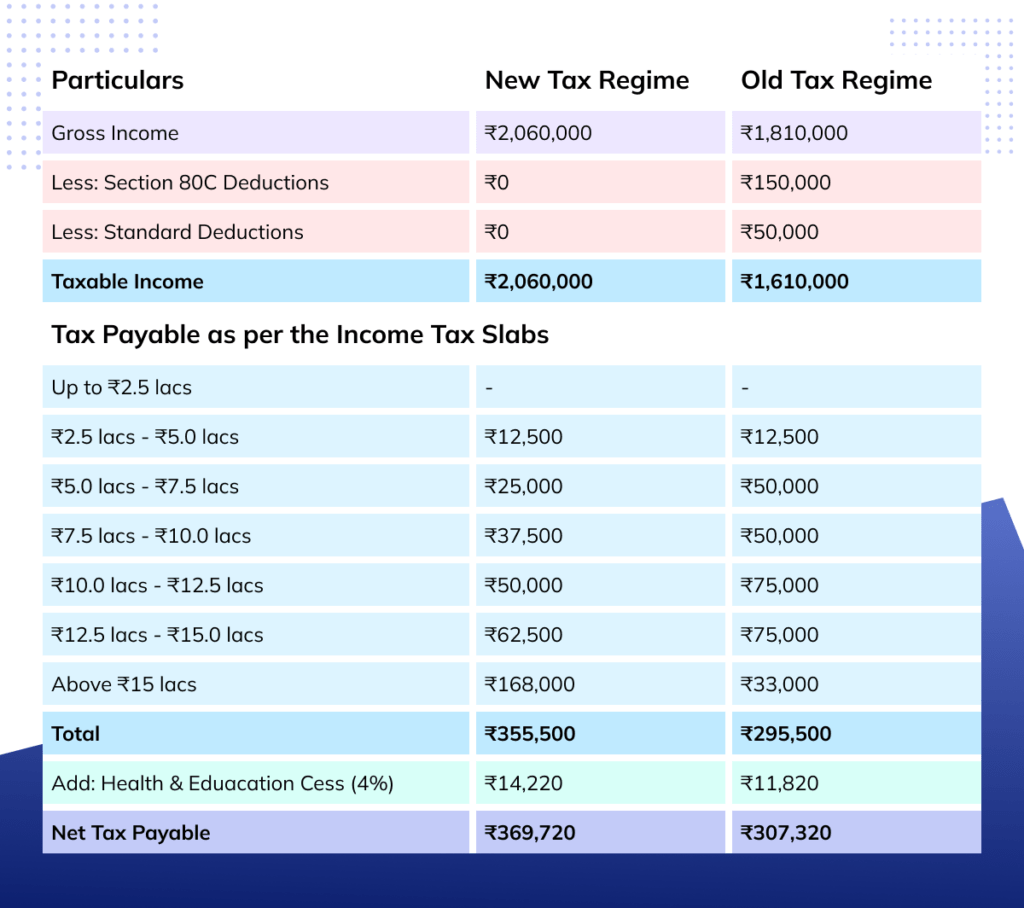
The most crucial element of salary revision is the fitment factor in 8th pay commission.
The fitment factor is a multiplier applied to existing basic pay to determine revised salary.
For context:
- 7th Pay Commission fitment factor: 2.57
- 6th Pay Commission fitment factor: 1.86
Ambit Institutional Equities suggests that the fitment factor for 8th pay commission may range between 1.83 and 2.46, depending on fiscal space and economic growth.
However, some experts believe the 8th pay commission fitment factor could range between 1.9 and even 2.8–3.0.
Where the final figure lands will significantly influence take-home pay.
How Fitment Factor Impacts Salaries
To understand the impact of the fitment factor for 8th pay commission, consider a basic pay example.
Table: Example Impact of Fitment Factor in 8th Pay Commission
| Current Basic Pay | Fitment Factor 1.9 | Fitment Factor 2.4 | Fitment Factor 2.8 |
| ₹30,000 | ₹57,000 | ₹72,000 | ₹84,000 |
| ₹50,000 | ₹95,000 | ₹1,20,000 | ₹1,40,000 |
This table illustrates how sensitive salary outcomes are to the multiplier chosen.
A higher 8th pay commission fitment factor would increase government expenditure but also boost disposable income among employees.
8th Pay Commission Latest News Today: Fiscal Considerations
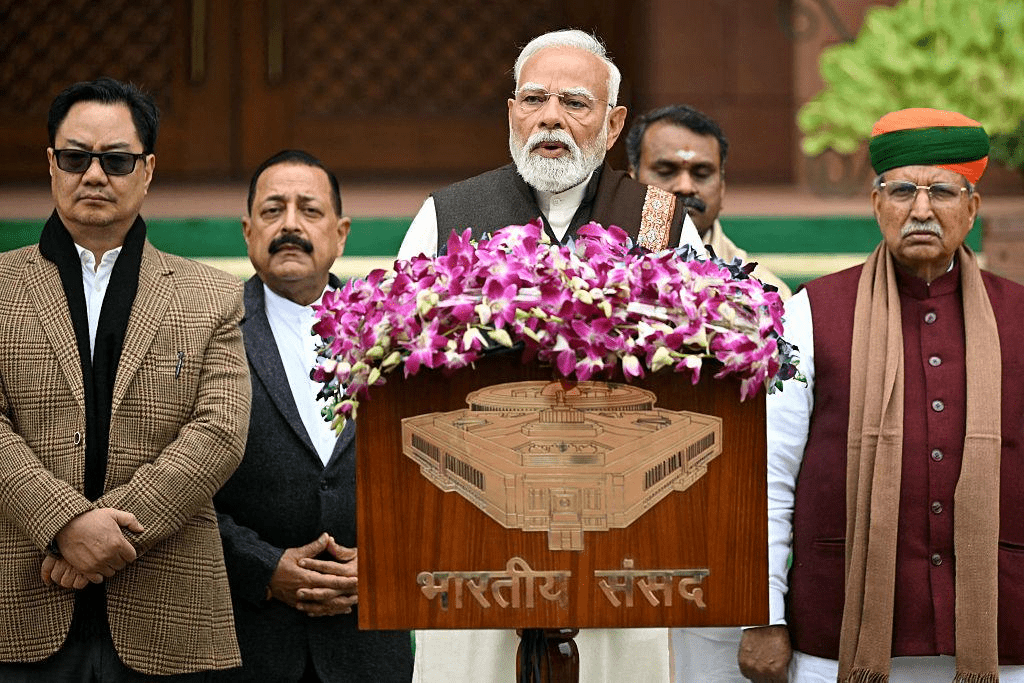
While employee expectations remain high, fiscal realities also matter.
The government must balance:
- Salary revisions
- Pension obligations
- Infrastructure spending
- Welfare schemes
Large hikes under the 8th pay commision (as often misspelled in searches) would have budgetary implications.
Therefore, the final recommendation will likely consider economic growth, inflation, and revenue conditions.
When Will 8th Pay Commission Come Into Effect?
Many are asking: when will 8th pay commission come into force in real terms?
If the commission is formed early in FY 2026–27 and submits its report promptly, Cabinet approval may follow within the same fiscal year.
In that scenario:
- 8th pay commission implementation date could fall in late FY27.
- Arrears may be credited soon after approval.
- Revised salaries may reflect in subsequent months.
Until an official notification is issued, uncertainty will continue.
Impact on 8th Pay Commission Government Employees

Central government employees and pensioners are directly affected by this revision cycle.
The 8th pay commission government employees category includes:
- Central ministries
- Defence personnel
- Railways staff
- Autonomous bodies under central pay scales
State governments often align their revisions after central implementation, though timelines differ.
Thus, the ripple effect of 8th pay commission update extends beyond central employees.
Managing Expectations Amid 8 Pay Commission News
Given the lack of formal rollout, employees may need patience.
Financial planners suggest:
- Avoid committing to expenses based solely on expected hikes.
- Consider arrears as a bonus, not guaranteed cash flow.
- Monitor 8th pay commission latest news for official announcements.
In Hindi, yeh samay dhairya ka hai — clarity will come with formal notification.
What Happens If Implementation Is Further Delayed?
If delays extend beyond FY27, arrears would grow proportionally.
However, large arrears also strain government finances. In past cycles, arrears were sometimes paid in installments.
The structure of arrear payout will depend on:
- Fiscal space
- Administrative planning
- Cabinet decisions
Therefore, while arrears are likely, the mode of payment remains uncertain.
What to Expect From 8th Pay Commission 2026

To summarize the current 8th pay commission update:
- Effective date: January 1, 2026
- Implementation likely in FY 2026–27
- Arrears expected if delay continues
- Fitment factor for 8th pay commission may range between 1.9 and 2.46, possibly higher
The final decision will depend on the commission’s recommendations and Cabinet approval.
For now, employees should track official 8th pay commission news rather than speculation. The pattern from previous pay commission cycles suggests that while delays may occur, arrears generally compensate for the waiting period.
Clarity will come once the government formally constitutes the commission and sets a definitive 8th pay commission implementation date.